History & Heritage
Born of cattle drives and railroads, shaped by ranchers, vaqueros, and rangers. Kingsville's story still rides through every street.
A Town Born of a Railroad Bargain
In the early 1900s, Henrietta King had been running the King Ranch for nearly two decades after her husband, Captain Richard King, had passed. She found that the major obstacle her cattle empire experienced was distance; moving cattle to market meant long, costly cattle drives across the hot, dry, and often dangerous Texas landscape. When the St. Louis, Brownsville and Mexico Railway began surveying a route through South Texas, her son-in-law and ranch attorney and manager Robert J. Kleberg saw an opportunity.
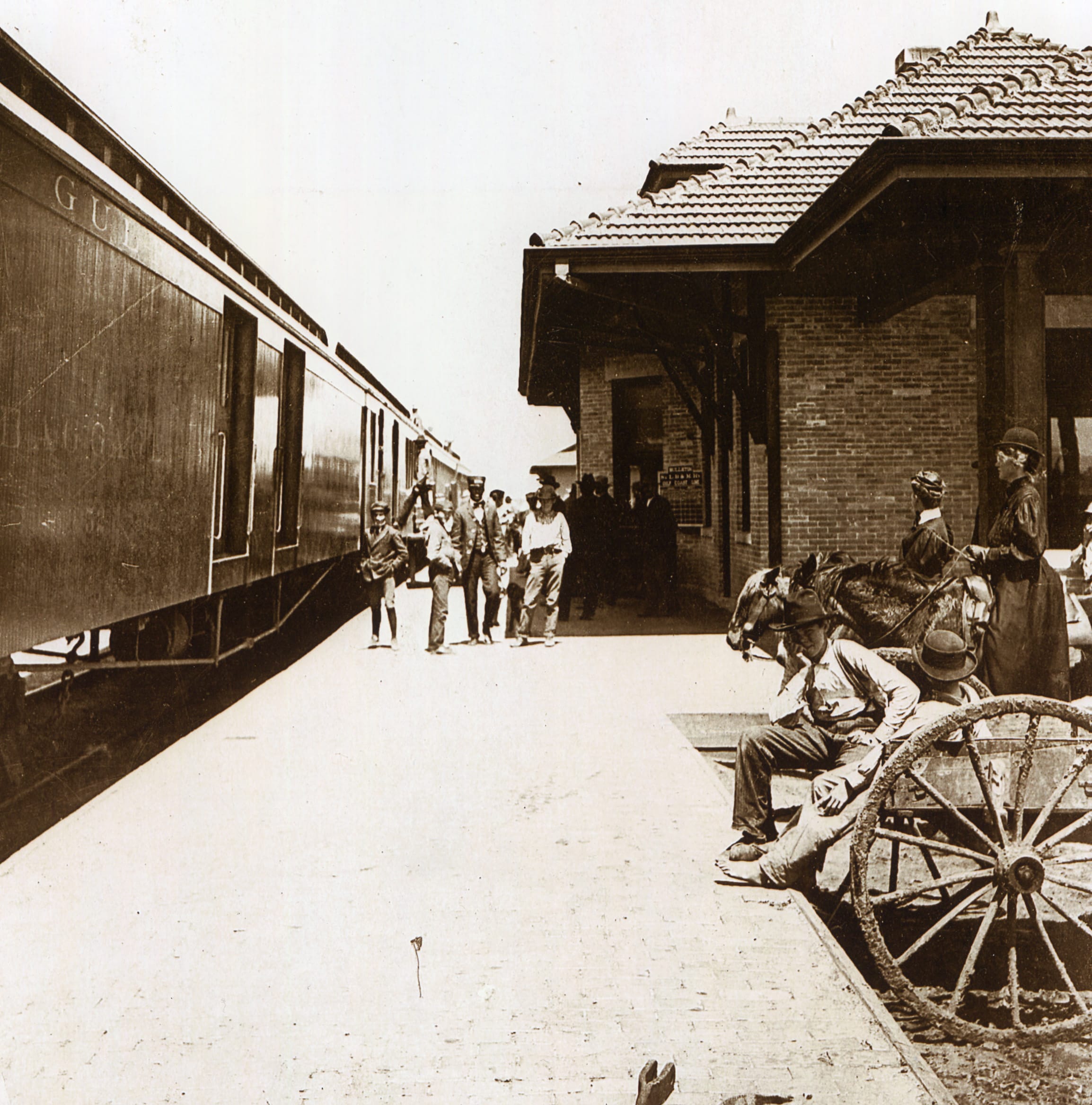
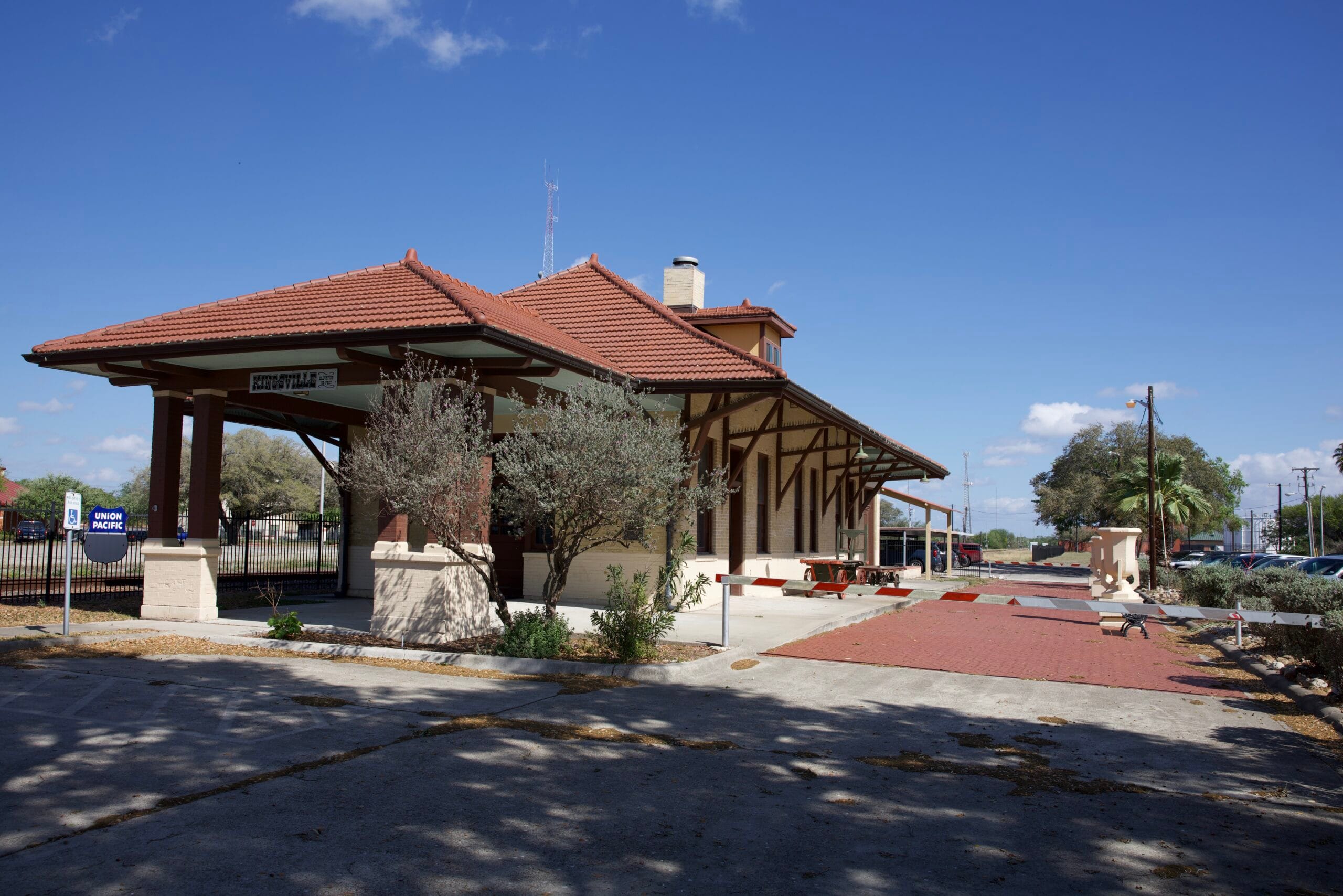
Together, Henrietta King & Robert Kleberg offered King Ranch land to the railroad to make the a route possible. In order for the rail line to be supported and successful, King and Kleberg created a townsite alongside the new tracks. The Kingsville Depot opened on July 4, 1904, and the town that rose around it was named for the captain who started it all. Kingsville was incorporated soon after, a railroad town built on the largest ranch in the United States.
The Ranch That Made Kingsville
Everything in Kingsville traces back to one land purchase in 1853.
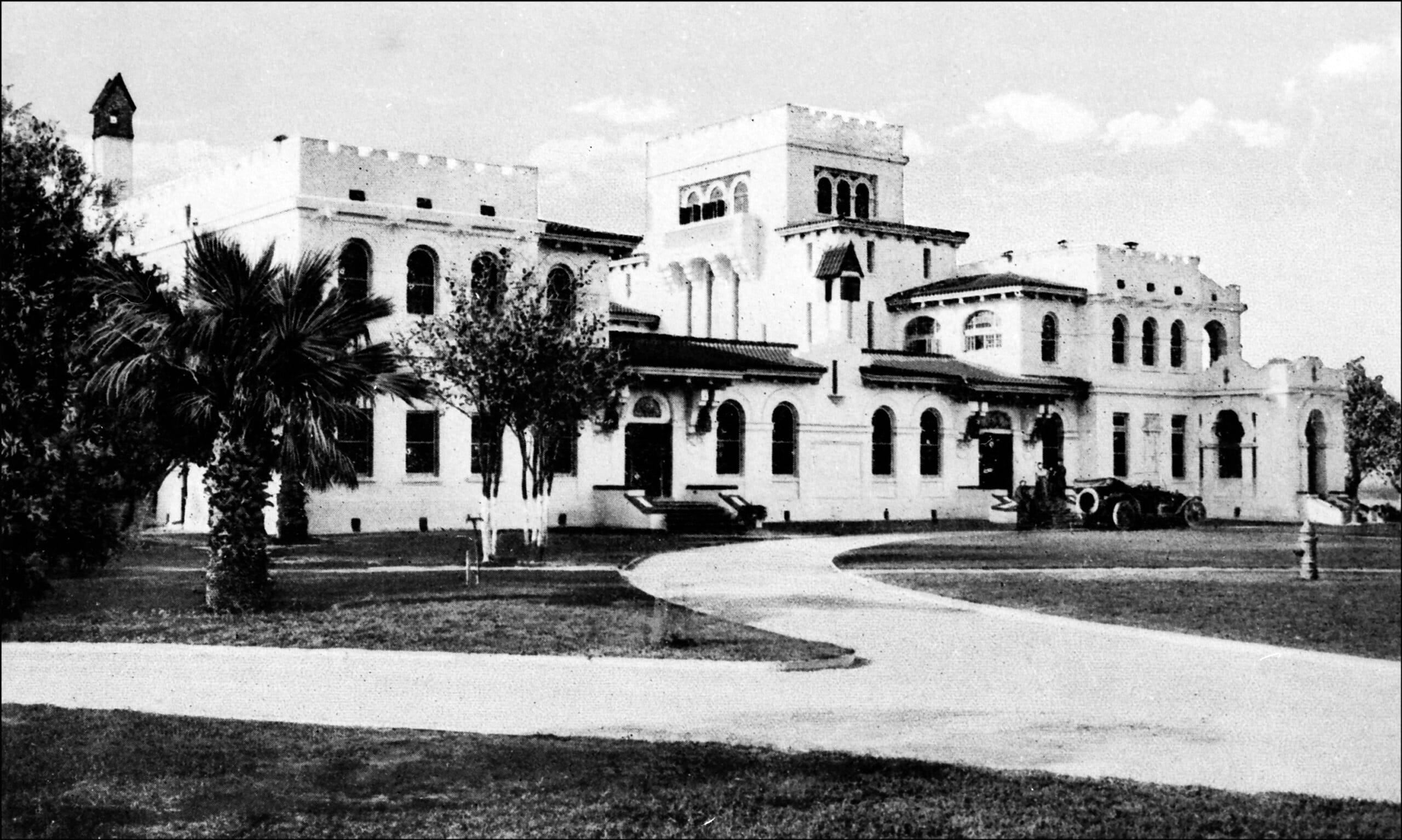
Richard King was a steamboat captain on the Rio Grande when he began buying up old Spanish land grants in the brush country south of Corpus Christi. The Santa Gertrudis purchase, 15,500 acres at less than two cents per acre, became the seed of a working empire that would, at its height, sprawl across more than a million acres of South Texas. His longtime steamboat partner Mifflin Kenedy eventually joined him as a ranching partner as well, though the two later divided their holdings and went their separate ways.
The King Ranch is widely credited as the cradle of the American ranching industry. The cattle drives, working pens, branding methods, and saddlework refined here spread north across Texas and shaped a century of Western cattle culture. Today, the ranch is a National Historic Landmark and it remains a working operation, still owned by the Kleberg family's descendants.
Innovations Born on the Range
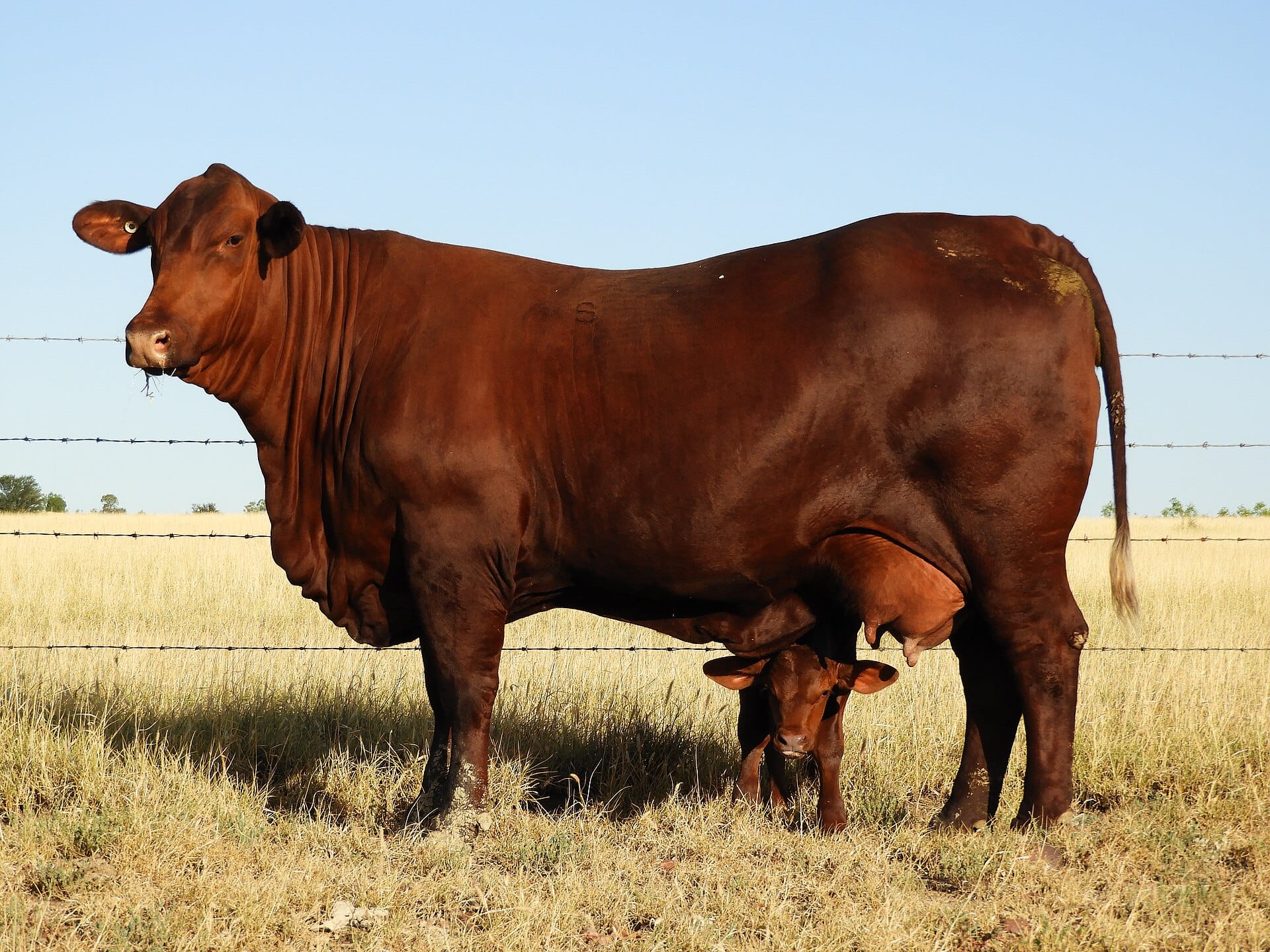
What King Ranch bred, America adopted. The Santa Gertrudis cattle developed here became the first American beef breed recognized by the USDA. The Quarter Horses raised on these pastures shaped the bloodlines that working ranches still rely on today.
Santa Gertrudis
The first beef cattle breed developed in the Western Hemisphere, bred at King Ranch by crossing Brahman with Shorthorn to create cattle that thrive in South Texas heat. Recognized by the USDA in 1940.
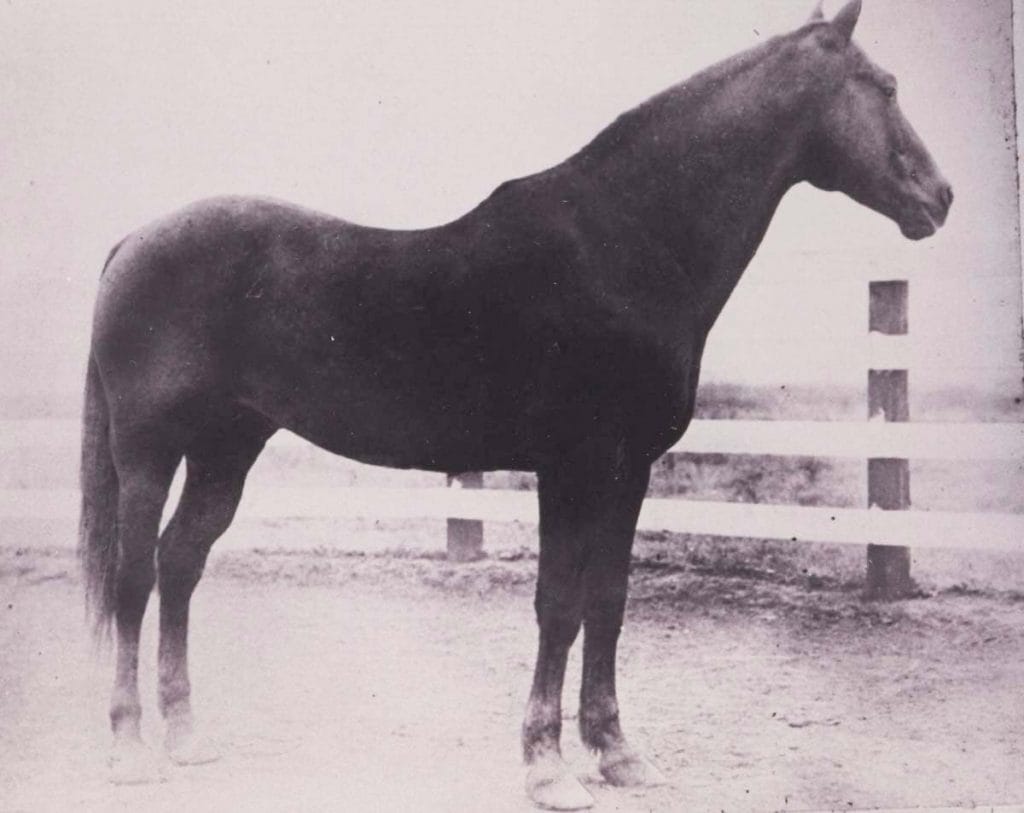
American Quarter Horse
King Ranch's legendary stallion "Old Sorrel" anchored a breeding program that became foundational to the modern American Quarter Horse, the most popular horse breed in the United States.
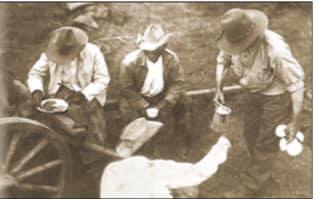
Los Kineños, The People Behind the Ranch
In the 1850s, Captain King made the people of a drought-stricken village in Cruillas, Mexico an unusual offer. He had just purchased their cattle, removing their last reliable income, and he knew it. He turned back and proposed a trade: come north, work the ranch, and he would provide food, shelter, and wages. About 100 families said yes.
The vaquero families who came north stayed, raised generations on the ranch, and came to be known as Los Kineños: King's people. Already expert horsemen and cattlemen, the Kineños taught King the cattle trade and shaped the working culture of the ranch from the ground up. Their saddlework, horsemanship, and cattle-handling craft became the foundation of everything King Ranch would become. Descendants of those original Cruillas families still live and work on the ranch today.
Their language, food, music, and traditions are woven into the fabric of Kingsville. The town's bilingual identity and its deep South Texas heritage begin here.
How a Widow Built a Town
Captain King died in 1885, leaving Henrietta Chamberlain King to run one of the largest landholdings in America. She did so for nearly four decades and turned a piece of that empire toward founding a town worth living in. The institutions that hold Kingsville together today were her gifts, parcel by parcel.
-
A College, Now a University
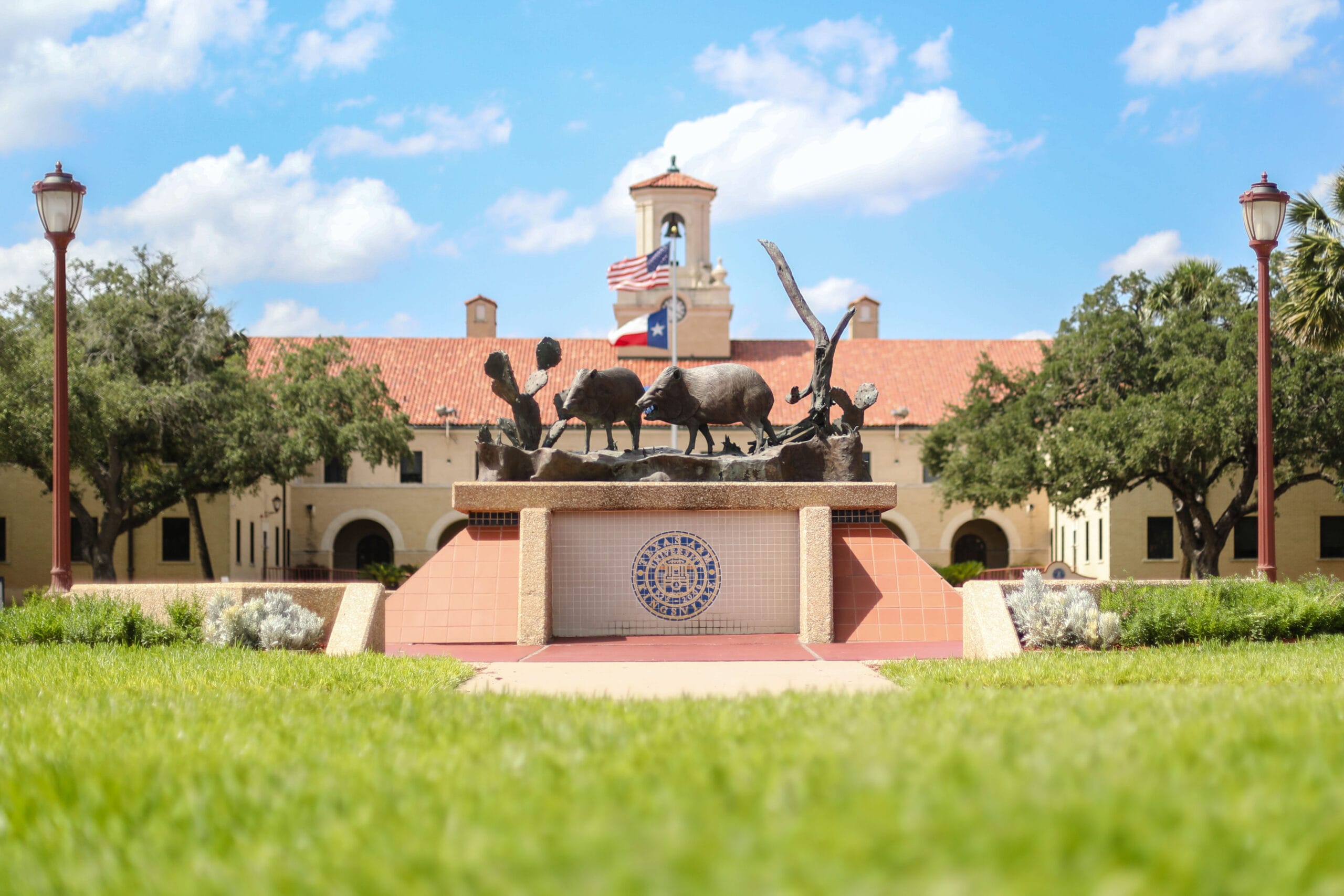
Henrietta King donated the land for South Texas State Teachers College in 1917 and opened in1925. It became Texas A&I University, then Texas A&M University–Kingsville, and today serves over 7,000 students.
-
Churches & Schools
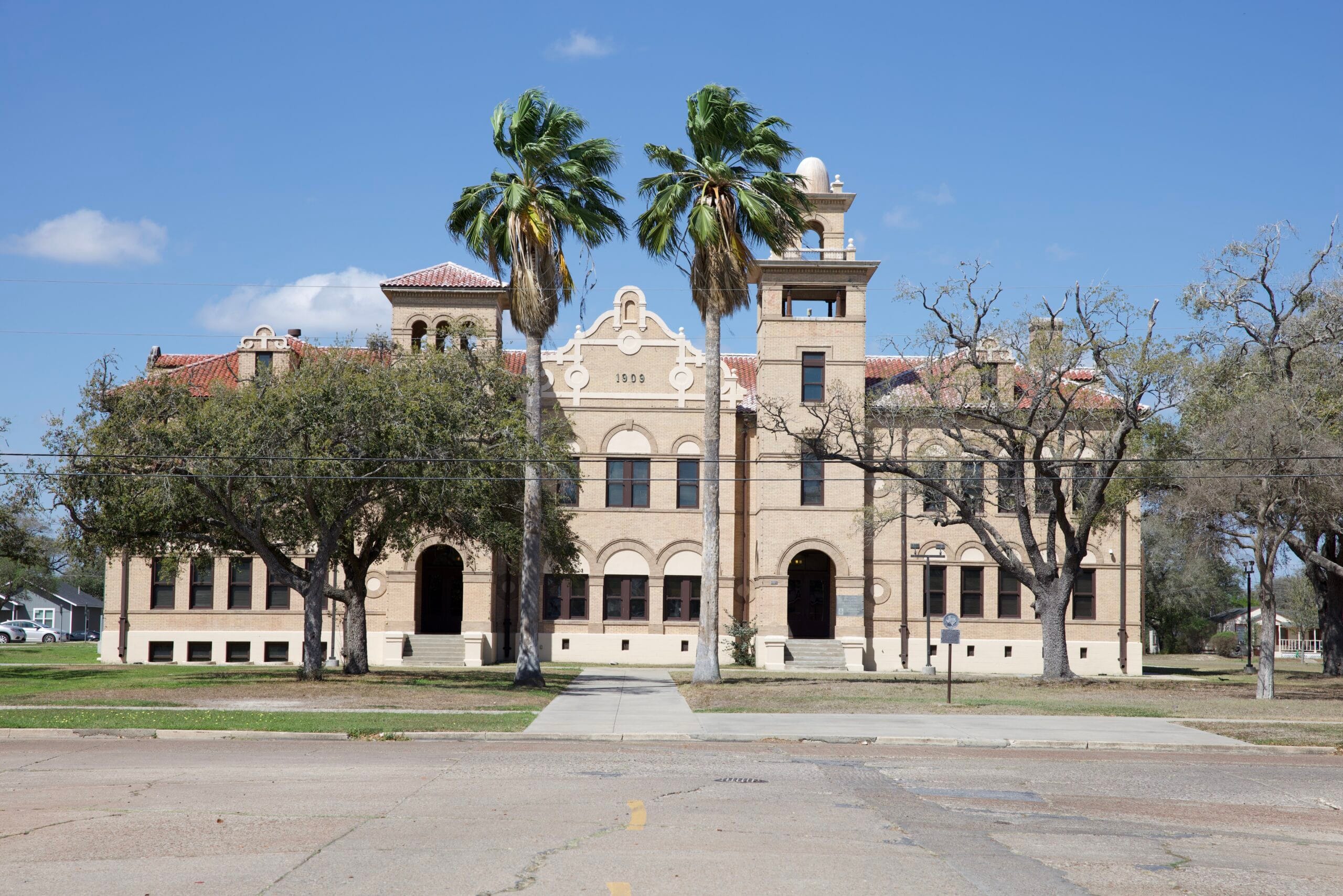
Henrietta King donated land for five of Kingsville's founding churches, Presbyterian, Baptist, Methodist, Episcopal, and Catholic. She also funded construction of the town's first public school building, completed in 1909.
-
The Depot & Railroad
Henrietta King donated 853 acres to found Kingsville, deeding half of it to the St. Louis, Brownsville and Mexico Railway to secure the rail line. She reserved the land that anchored the depot and downtown grid that still defines the city today.
Naval Air Station Kingsville
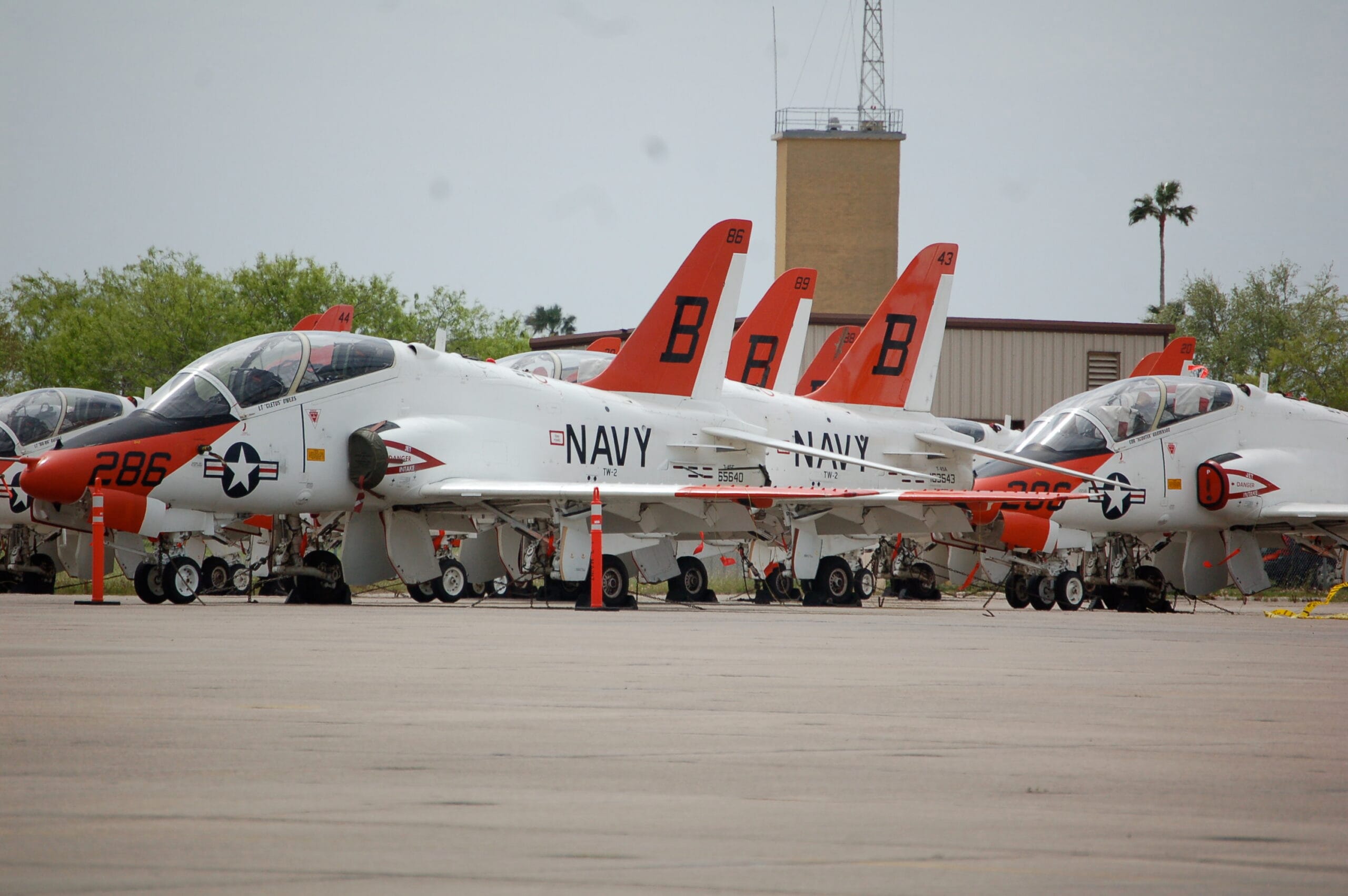
Established in 1942 as an auxiliary field to Naval Air Station Corpus Christi, NAS Kingsville was built to train Navy pilots for World War II and never stood down. Today it is one of only two strike-jet pilot training bases in the United States. Every Navy and Marine Corps strike pilot earns their wings here or at its sister base in Meridian, Mississippi.
Beyond the runway, the station is one of Kingsville's largest employers and a defining presence in the region's identity. The afternoon sound of T-45 Goshawks overhead is part of the city's heartbeat.
-
1942Established
-
T-45Strike-jet training aircraft
-
1 of 2Strike-jet bases in the U.S.
Kingsville's Story by the Year
A century and a half of ranching, railroads, and reinvention.
-
King Ranch Founded
Capt. Richard King purchases the Santa Gertrudis tract, the seed of what becomes the largest ranch in the United States.
-
Henrietta King Inherits the Ranch
After Captain King's death, Henrietta runs the empire for four decades.
-
Kingsville Established
Robert J. Kleberg routes the railroad through King Ranch land; the depot opens July 4 and the town is platted.
-
Kingsville Incorporated
Seven years after the first train arrived, Kingsville formally incorporated and adopted a city charter, establishing the commission form of government that would guide its early growth.
-
Kingsville Named County Seat
The Texas Legislature created Kleberg County from parts of Nueces County, with Kingsville designated as the county seat, cementing the city's role as the civic and commercial center of South Texas.
-
South Texas State Teachers College Opens
Founded on land donated by Henrietta, now Texas A&M-Kingsville.
-
King Ranch Enters the Oil Business
Henrietta King's heirs lease drilling rights to Humble Oil of Houston for $127,824 plus a royalty on all production. Within two decades the ranch would have more than 650 producing oil and gas wells, transforming South Texas's economy alongside its ranching legacy.
-
Santa Gertrudis Cattle Recognized
King Ranch's breeding program produces the first beef cattle breed developed in the Western Hemisphere.
-
NAS Kingsville Activated
Commissioned to train Navy pilots for World War II; the base remains active today.
-
King Ranch Named A National Historic Landmark
The federal government officially recognizes King Ranch as a National Historic Landmark, acknowledging its singular role in American agricultural and ranching history.
-
Texas A&I University
The South Texas State Teachers College, renamed Texas College of Arts and Industries in 1929, takes its most recognizable name: Texas A&I University. The new name reflected four decades of growth beyond its original mission, with programs now spanning engineering, agriculture, business, and graduate studies.
-
Texas A&M University-Kingsville
After decades of name changes reflecting its growing scope, the institution founded on Henrietta King's donated land receives its current name, completing its evolution from a small teachers college into a full university within the Texas A&M System.
-
NAS Kingsville transitions to the T-45 Goshawk
The first class of strike pilots earned their wings in the T-45 Goshawk in October 1994, making NAS Kingsville the first Navy wing to operate the aircraft. The Goshawk replaced two older trainer jets and established the modern strike pilot training program still running today.
-
TAMUK Celebrates its Centennial
One hundred years after Henrietta King's land gift opened South Texas State Teachers College, Texas A&M University-Kingsville marks its centennial with record research funding, sustaining over $31 million annually, and a $38 million gift from philanthropist MacKenzie Scott, the largest donation in the university's history.
Faces Behind the Founding
A few of the people whose lives shaped Kingsville and the ranching empire that built it.
-
Founder, King Ranch
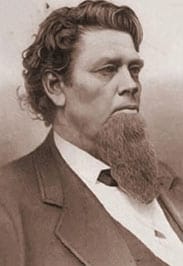
Capt. Richard King
Steamboat captain on the Rio Grande who began buying old Spanish land grants in the 1850s and built the largest privately-owned ranch in America.
-
Civic Founder
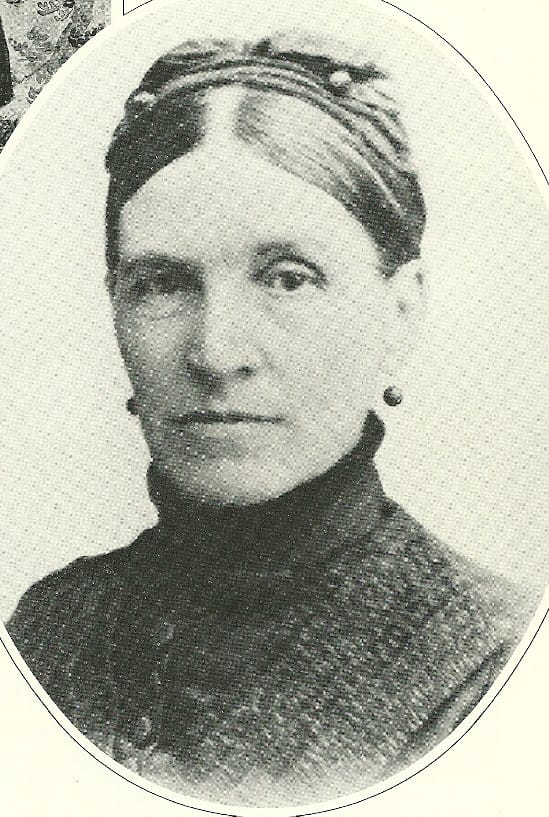
Henrietta Chamberlain King
Ran the King Ranch for nearly four decades after Richard's death and donated the land for the town's churches, schools, and what became Texas A&M-Kingsville.
-
Town Architect
Robert J. Kleberg
King Ranch attorney, manager, and Henrietta's son-in-law. Brought the railroad through ranch land in 1904 and platted the town of Kingsville.
-
Railroad Pioneer
Uriah Lott
First president of the St. Louis, Brownsville and Mexico Railway and the driving force behind the rail line that opened South Texas.
-
Steamboat Partner
Mifflin Kenedy
Captain King's longtime business partner on the Rio Grande and a fellow rancher whose namesake county lies just north.
-
Texas Ranger
John B. Armstrong
Captured the outlaw John Wesley Hardin in 1877 and later became a major rancher in the Kingsville area.
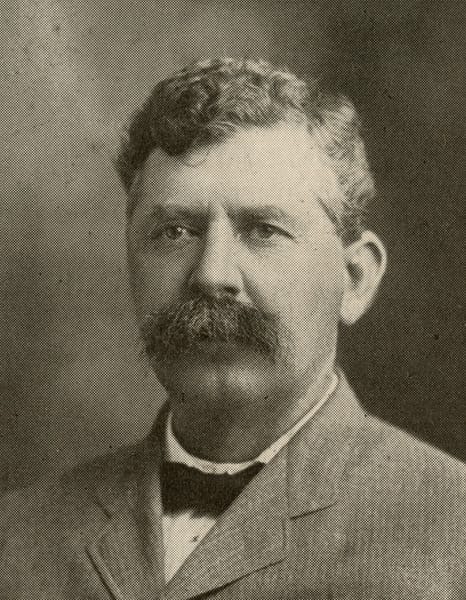
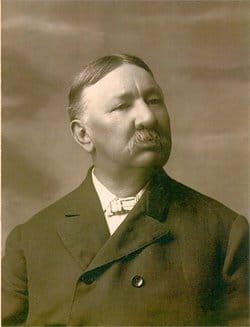
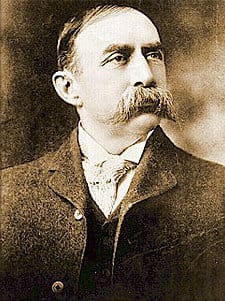
From the Archives
A century of Kingsville and King Ranch, in photographs. Click any image to view it larger.
See It for Yourself
Walk the buildings, ride the campus, watch the jets train. The history is still right here.
-
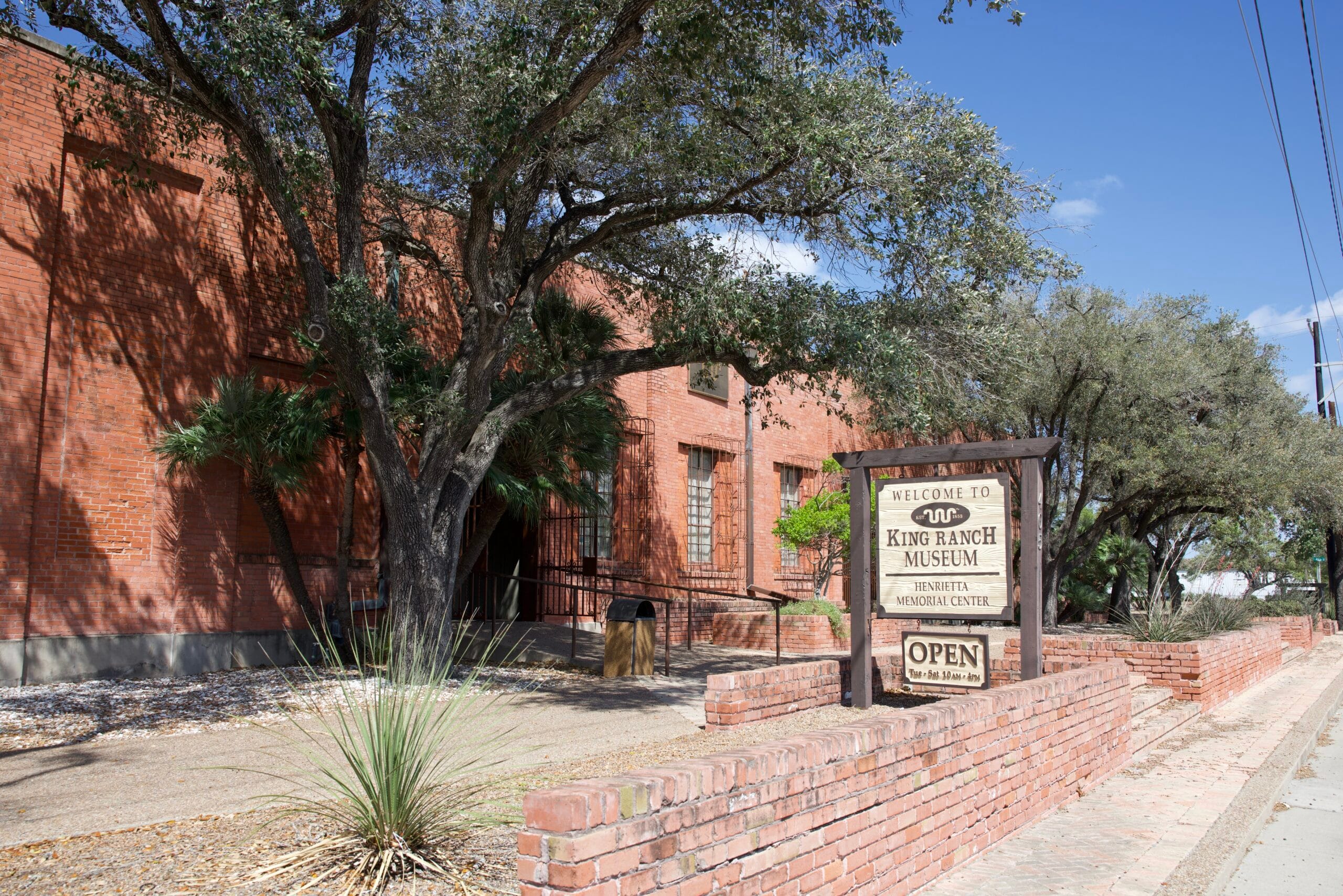
King Ranch Museum at the Henrietta Memorial Center
Saddles, carriages, and the family story.
-
1904 Train Depot Museum
The depot that anchored a town.
-
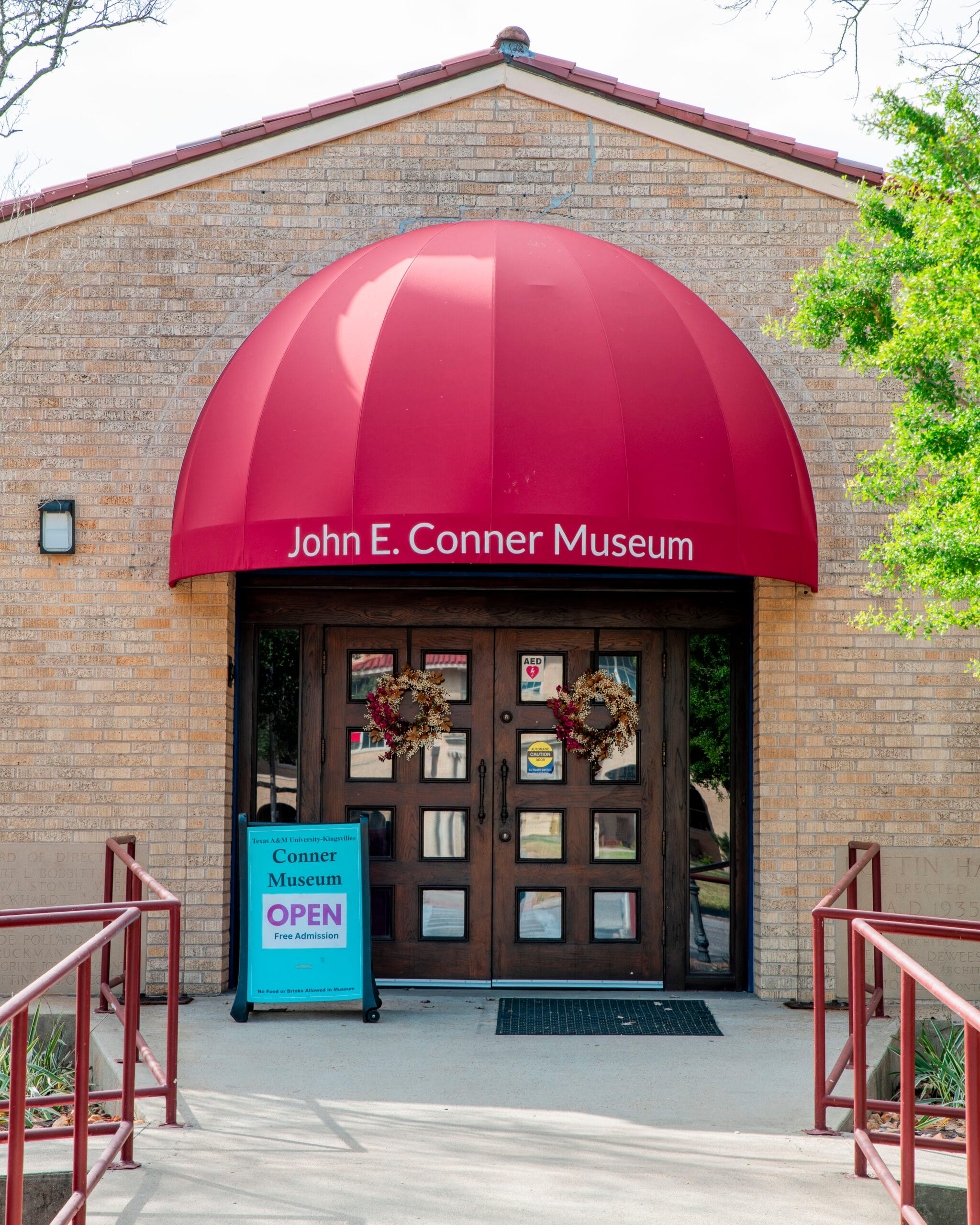
John E. Conner Museum
South Texas history at Texas A&M-Kingsville.
-
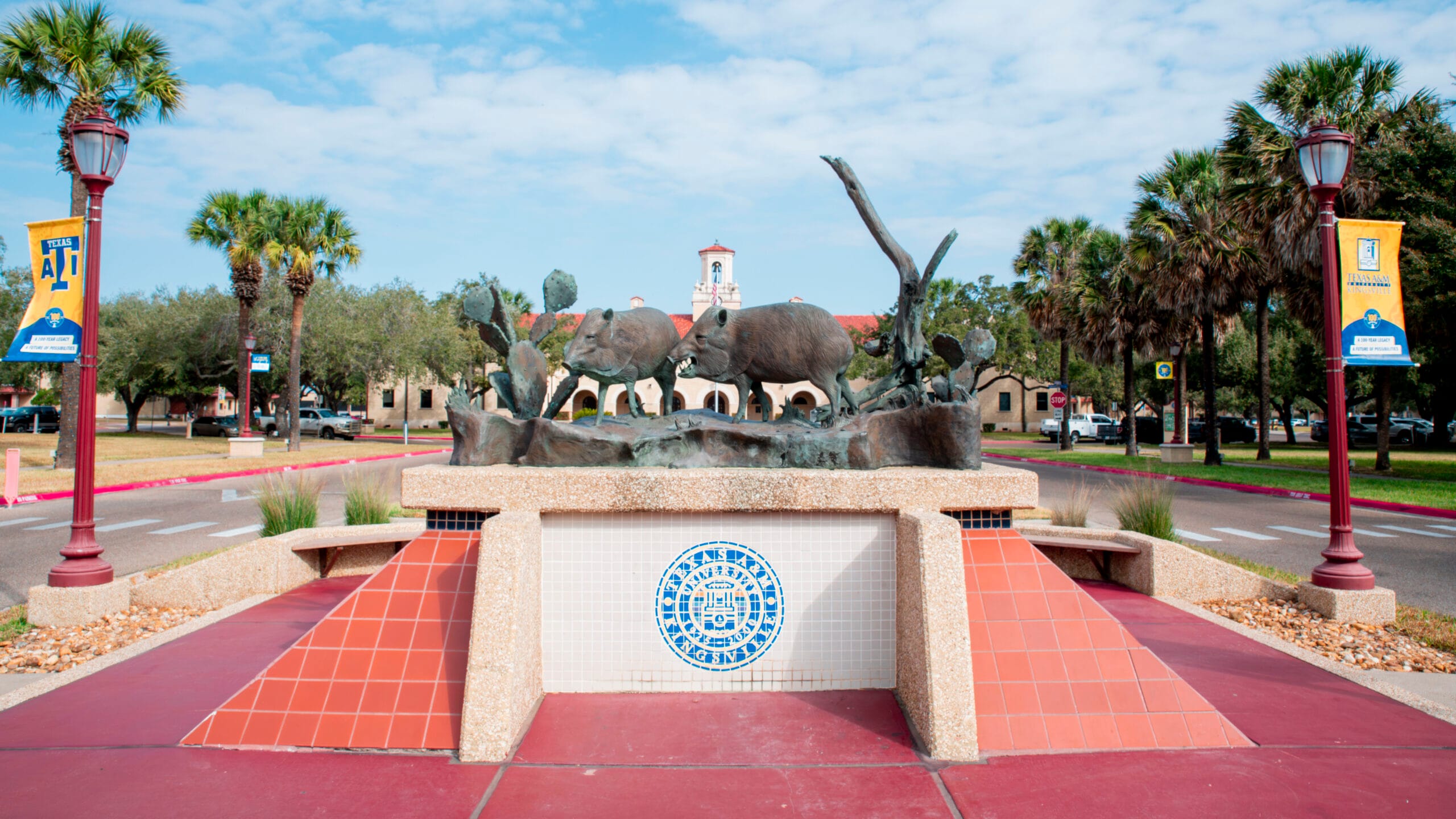
Texas A&M-Kingsville
Henrietta King's college, a century on.
-
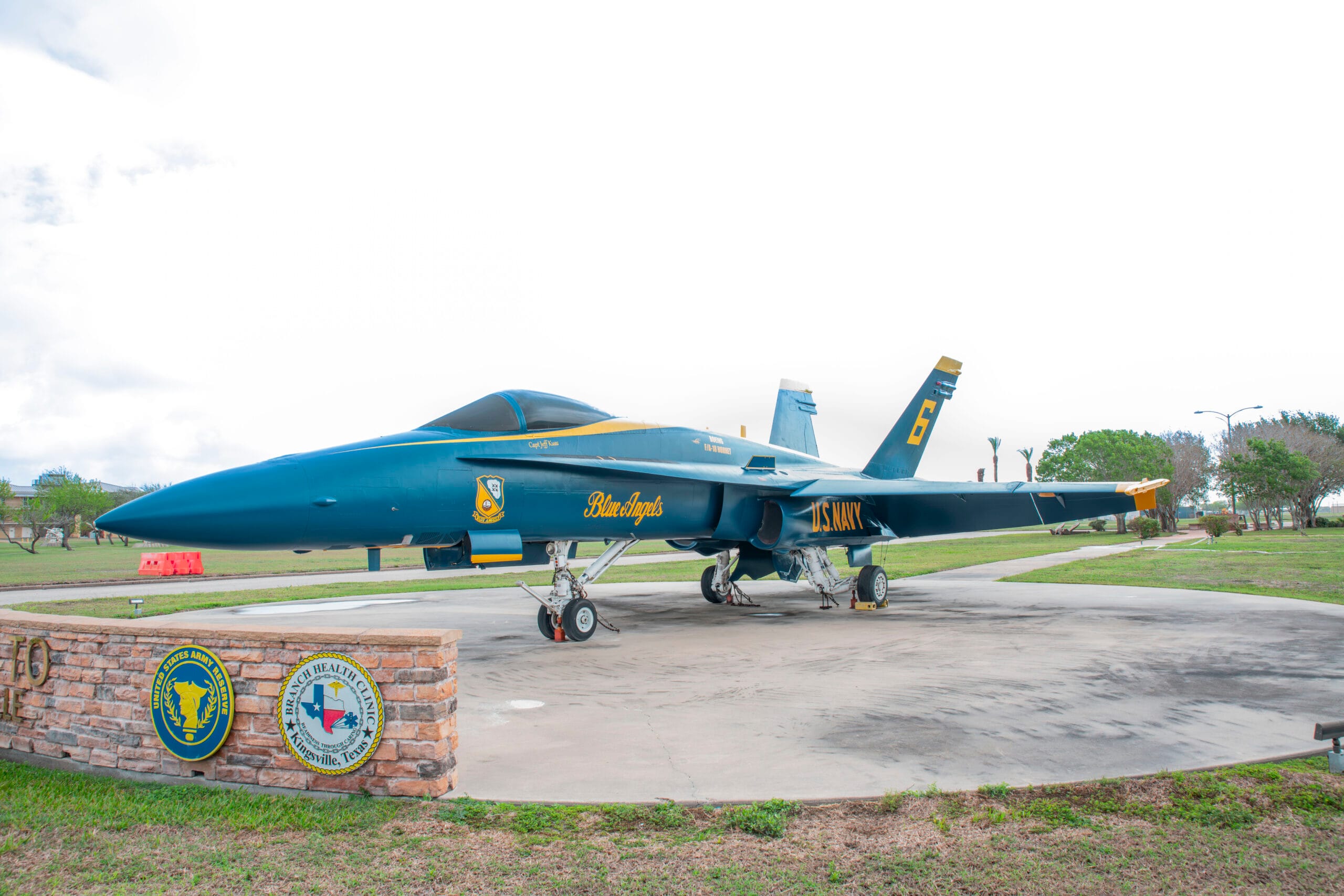
NAS Kingsville
Watch the next generation of Navy pilots earn their wings.